

As a supplier of Jump Starter Tire Inflators, I often encounter questions from customers regarding the technical specifications of our products, with the input voltage being a common inquiry. Understanding the input voltage of a Jump Starter Tire Inflator is crucial for its proper and safe operation. In this blog, I will delve into the details of what the input voltage is, why it matters, and how it impacts the functionality of these versatile devices.
What is Input Voltage?
Input voltage refers to the electrical potential difference that a device requires to operate. In the context of a Jump Starter Tire Inflator, it is the voltage of the power source that you connect to the inflator to supply it with the necessary energy. This power source can vary, including car batteries, wall outlets, or portable power banks. The input voltage is typically measured in volts (V).
Common Input Voltages for Jump Starter Tire Inflators
Jump Starter Tire Inflators come with different input voltage requirements, depending on their design and intended use. The most common input voltages for these devices are 12V and 220V.
12V Input Voltage
Many Jump Starter Tire Inflators are designed to operate with a 12V input voltage. This is because most vehicles, including cars, trucks, and motorcycles, have a 12V electrical system. The advantage of a 12V inflator is its portability and compatibility with vehicle power outlets, also known as cigarette lighters or auxiliary power sockets. You can easily connect the inflator to your vehicle's power outlet and use it to inflate your tires on the go. This makes it a convenient option for roadside emergencies or when you need to top up your tire pressure during a long drive.
For example, our Car Jump Starter Tire Inflator is equipped with a 12V input voltage, allowing you to use it directly from your vehicle's power source. This feature ensures that you can quickly and easily inflate your tires whenever and wherever you need to.
220V Input Voltage
Some Jump Starter Tire Inflators are designed to be used with a 220V input voltage, which is the standard voltage for household electrical outlets in many countries. These inflators are typically more powerful and can inflate tires more quickly than their 12V counterparts. They are also suitable for use in a workshop or garage setting, where you have access to a stable 220V power source.
However, the main drawback of a 220V inflator is its lack of portability. You need to be near a 220V power outlet to use it, which limits its use to indoor settings or areas with access to electrical power. If you need to inflate your tires on the road, a 220V inflator may not be the best option.
Why Does Input Voltage Matter?
The input voltage of a Jump Starter Tire Inflator matters for several reasons. Firstly, using the correct input voltage is essential for the safe and proper operation of the device. If you connect the inflator to a power source with a voltage that is too high or too low, it can damage the inflator or cause it to malfunction. For example, if you connect a 12V inflator to a 220V power source, it can overheat and potentially cause a fire. On the other hand, if you connect a 220V inflator to a 12V power source, it may not have enough power to operate effectively.
Secondly, the input voltage affects the performance of the inflator. A higher input voltage generally means more power, which translates to faster inflation times. If you need to inflate large tires or multiple tires quickly, a 220V inflator may be a better choice. However, if you only need to inflate small tires or top up the pressure occasionally, a 12V inflator may be sufficient.
Choosing the Right Input Voltage for Your Needs
When choosing a Jump Starter Tire Inflator, it is important to consider your specific needs and usage scenarios. If you plan to use the inflator primarily in your vehicle or on the go, a 12V inflator is the most practical option. It is portable, easy to use, and compatible with most vehicles. On the other hand, if you need a more powerful inflator for use in a workshop or garage, a 220V inflator may be a better choice.
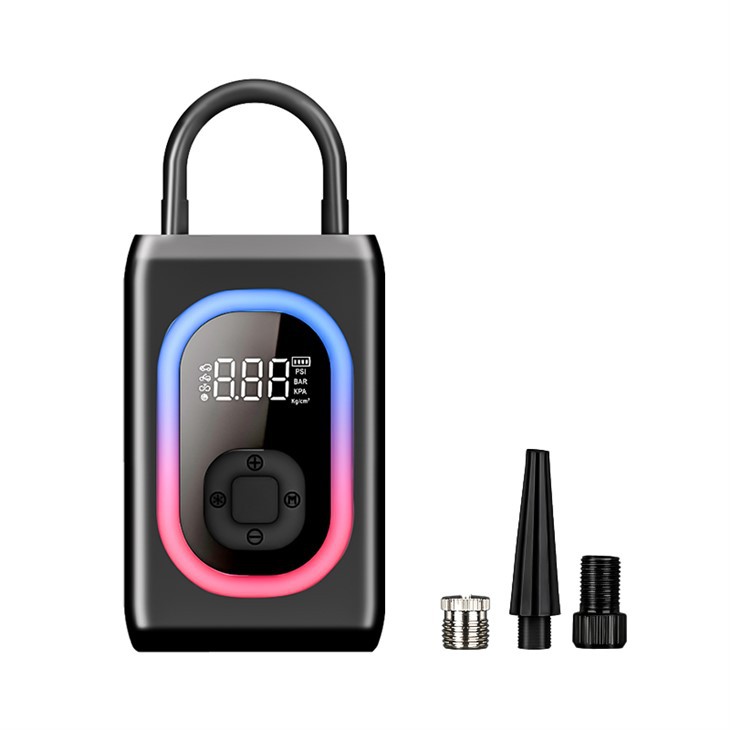
It is also important to check the specifications of the inflator before purchasing it to ensure that it is compatible with your power source. Make sure that the input voltage of the inflator matches the voltage of the power source you plan to use. If you are unsure, you can consult the manufacturer's instructions or contact our customer support team for assistance.
Safety Precautions
Regardless of the input voltage of your Jump Starter Tire Inflator, it is important to follow some safety precautions to ensure safe and proper use. Here are some tips to keep in mind:
- Read the instructions: Before using the inflator, carefully read the manufacturer's instructions and follow all safety guidelines.
- Use the correct power source: Make sure that the input voltage of the inflator matches the voltage of the power source you are using. Do not use the inflator with a power source that has a voltage that is too high or too low.
- Inspect the inflator: Before each use, inspect the inflator for any signs of damage or wear. Do not use the inflator if it is damaged or malfunctioning.
- Keep the inflator away from water: Do not use the inflator in wet or damp conditions, and keep it away from water to prevent electrical shock.
- Do not overinflate the tires: Use a tire pressure gauge to monitor the tire pressure and stop inflating the tires when they reach the recommended pressure. Overinflating the tires can cause them to burst, which can be dangerous.
Conclusion
In conclusion, the input voltage of a Jump Starter Tire Inflator is an important factor to consider when choosing a device. Understanding the different input voltage options available and their advantages and disadvantages can help you make an informed decision and choose the inflator that best suits your needs. Whether you need a portable 12V inflator for on-the-go use or a more powerful 220V inflator for use in a workshop, we have a wide range of Jump Starter Tire Inflators to choose from.
If you are interested in purchasing a Jump Starter Tire Inflator or have any questions about our products, please feel free to contact us. Our team of experts is always ready to assist you and help you find the perfect inflator for your needs. We look forward to hearing from you and working with you to ensure that your tires are always properly inflated and safe to drive on.
References
- Manufacturer's instructions for Jump Starter Tire Inflators
- Automotive industry standards and guidelines for tire inflation
- Electrical safety regulations and guidelines