

Cold weather can have a significant impact on various automotive tools and equipment, and a Jump Starter Tire Inflator is no exception. As a supplier of high - quality Jump Starter Tire Inflators, I've witnessed firsthand how the cold can affect these devices and the importance of understanding these effects for both consumers and businesses.
Battery Performance
One of the most critical components of a Jump Starter Tire Inflator is its battery. Cold weather has a well - documented negative impact on battery performance. Batteries rely on chemical reactions to generate electricity, and these reactions slow down in cold temperatures.
When the temperature drops, the electrolyte inside the battery becomes more viscous. This increased viscosity makes it more difficult for the ions to move freely within the battery, which in turn reduces the battery's ability to deliver power. For a Jump Starter Tire Inflator, this means that it may not be able to provide enough power to jump - start a car or inflate a tire as efficiently as it would in warmer conditions.
For example, a lithium - ion battery, which is commonly used in many modern Jump Starter Tire Inflators, can experience a significant reduction in capacity in cold weather. Studies have shown that at temperatures around freezing (0°C or 32°F), a lithium - ion battery may only be able to deliver about 70% of its rated capacity. As the temperature drops further, say to - 20°C (- 4°F), this capacity can drop to as low as 40%.
This reduction in battery capacity can be a major problem for users. If they are relying on the Jump Starter Tire Inflator to jump - start their car on a cold winter morning, they may find that the device simply doesn't have enough power to turn over the engine. Similarly, when it comes to inflating tires, the reduced power output may result in a slower inflation process or even the inability to reach the desired tire pressure.
Motor Efficiency
The motor in a Jump Starter Tire Inflator is another component that can be affected by cold weather. Motors work by converting electrical energy into mechanical energy, and cold temperatures can interfere with this process.
In cold conditions, the lubricants used in the motor can thicken. This increased thickness creates more resistance within the motor, which means that the motor has to work harder to operate. As a result, the motor may draw more power from the battery, further draining its already reduced capacity.
Moreover, the cold can also cause the metal components in the motor to contract. This contraction can lead to tighter clearances between moving parts, which can increase friction. The increased friction not only reduces the motor's efficiency but also generates more heat. In extreme cases, the increased heat can cause damage to the motor over time.
For instance, if a user tries to use a Jump Starter Tire Inflator in very cold weather and the motor is struggling due to the thickened lubricants and increased friction, the device may overheat. This overheating can trigger safety mechanisms that shut down the inflator, leaving the user unable to complete the task of inflating their tires or jump - starting their car.
Air Compression
The process of air compression, which is essential for inflating tires, is also affected by cold weather. When air is compressed, it heats up. However, in cold conditions, the compressed air cools down more quickly.
This rapid cooling can cause moisture in the air to condense inside the inflator. The condensed moisture can then freeze, leading to blockages in the air passages and valves of the Jump Starter Tire Inflator. These blockages can prevent the proper flow of air, making it difficult or impossible to inflate tires effectively.
In addition, the cold can also affect the elasticity of the rubber components in the air hoses and connectors. Rubber becomes more brittle in cold weather, which means that it is more likely to crack or break. A damaged air hose or connector can result in air leaks, reducing the efficiency of the inflation process.
Impact on User Experience
All these effects of cold weather on a Jump Starter Tire Inflator can have a significant impact on the user experience. Consumers who purchase these devices expect them to work reliably, regardless of the weather conditions. When they encounter problems due to cold weather, it can lead to frustration and dissatisfaction.
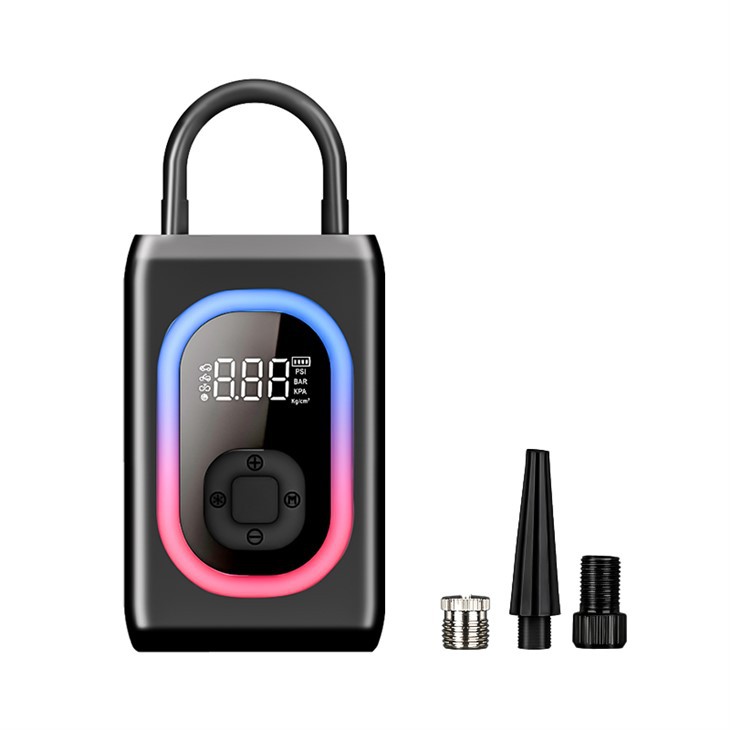
For businesses, this can translate into increased customer complaints and returns. If customers are not happy with the performance of the Jump Starter Tire Inflator in cold weather, they are more likely to return the product or leave negative reviews. This can damage the reputation of the brand and ultimately affect sales.
Mitigation Strategies
Fortunately, there are several strategies that can be used to mitigate the effects of cold weather on a Jump Starter Tire Inflator.
First, users can store the device in a warm place when it's not in use. This helps to keep the battery and other components at a more optimal temperature. For example, instead of leaving the Jump Starter Tire Inflator in the trunk of the car overnight, it can be brought inside the house.
Second, using a battery warmer can help to maintain the battery's performance in cold weather. Battery warmers work by applying a small amount of heat to the battery, which keeps the electrolyte at a more fluid state and allows the chemical reactions to occur more efficiently.
Third, regular maintenance is crucial. This includes checking the lubricants in the motor and replacing them if they have thickened. It also involves inspecting the air hoses and connectors for any signs of damage and replacing them if necessary.
As a supplier of Jump Starter Tire Inflators, we understand the importance of these issues and are committed to providing products that can withstand the challenges of cold weather. Our Car Jump Starter Tire Inflator is designed with high - quality components and advanced technology to minimize the impact of cold temperatures. We also offer comprehensive customer support to help users troubleshoot any problems they may encounter.
If you are interested in purchasing our Jump Starter Tire Inflators or have any questions about how they perform in cold weather, we encourage you to contact us for a detailed discussion. We are always ready to work with you to find the best solutions for your needs.
References
- Battery University: "How Temperature Affects Battery Performance"
- SAE International: "Impact of Cold Weather on Automotive Electrical Systems"
- IEEE Transactions on Industry Applications: "Motor Efficiency in Cold Environments"