

Transporting a jump starter air compressor requires careful planning and adherence to safety guidelines, especially when you're a supplier like me. These versatile devices, which combine the functionality of a jump starter and an air compressor, are essential tools for motorists and professionals alike. In this blog, I'll share my insights on how to transport these valuable pieces of equipment safely and efficiently.
Understanding the Jump Starter Air Compressor
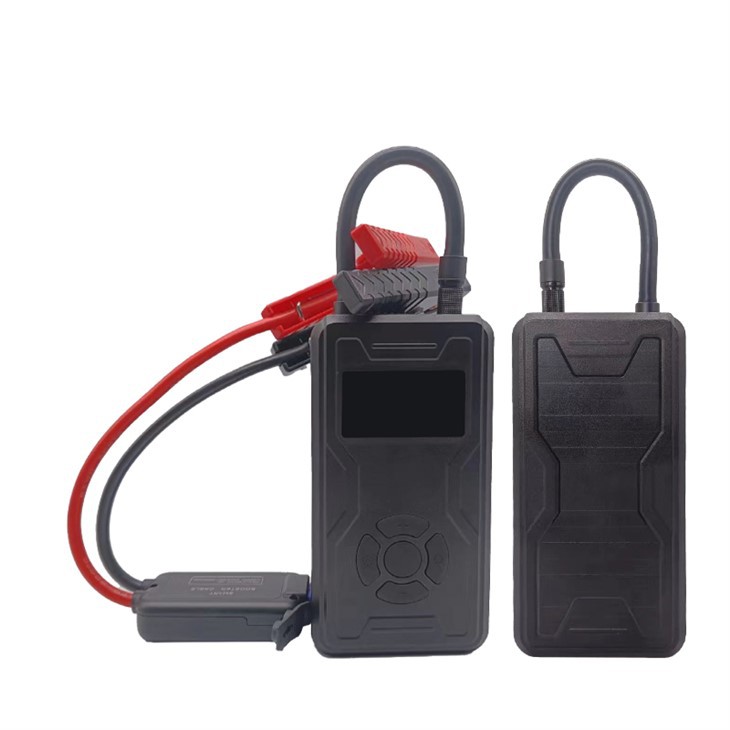
Before delving into the transportation process, it's crucial to understand the nature of a jump starter air compressor. These units typically consist of a battery pack, an air compressor, and various cables and accessories. The battery pack stores electrical energy, which can be used to jump - start a vehicle or power the air compressor for inflating tires. The air compressor, on the other hand, is responsible for generating the air pressure needed to fill tires or other inflatable objects.
One of the popular types of jump starter air compressors is the Battery - Powered Car Tire Inflator. This type is highly portable and convenient, as it can be easily carried around in a vehicle's trunk. However, its portability also means that it needs to be transported with care to prevent damage.
Pre - Transport Preparation
Inspect the Unit
Before transporting the jump starter air compressor, conduct a thorough inspection. Check for any visible damage to the battery, compressor, cables, or housing. If you notice any cracks, leaks, or loose parts, it's best to address these issues before moving the unit. A damaged jump starter air compressor can be a safety hazard during transportation and may not function properly when needed.
Secure Loose Parts
Make sure all loose parts, such as cables and accessories, are properly secured. You can use cable ties or storage bags to keep everything organized. This not only prevents the parts from getting lost but also reduces the risk of them getting tangled or damaged during transit.
Charge the Battery
If the jump starter air compressor is battery - powered, ensure that the battery is fully charged. A charged battery is more stable during transportation and will be ready for use when it reaches its destination. Follow the manufacturer's instructions for charging the battery to avoid overcharging or undercharging.
Drain the Air Compressor
If the air compressor has any remaining air pressure, release it before transportation. This helps prevent potential leaks or damage to the compressor due to pressure changes during transit. Most air compressors have a release valve that can be used to drain the air.
Choosing the Right Transportation Method
Personal Vehicle
Transporting a jump starter air compressor in your personal vehicle is one of the most common methods. When using a car or truck, place the unit in a secure location. The trunk or cargo area is usually the best place, as it provides a stable and protected environment. Make sure the unit is placed on a flat surface and is not likely to shift during driving. You can use a non - slip mat or straps to keep it in place.
Avoid placing the jump starter air compressor near any sharp objects or heavy items that could potentially damage it. Also, be careful not to expose the unit to extreme temperatures. For example, don't leave it in a hot car during summer or in a freezing environment during winter, as this can affect the battery life and performance of the unit.
Shipping Services
If you need to transport the jump starter air compressor over a long distance or to a customer, shipping services can be a viable option. When choosing a shipping company, look for one that has experience in handling electronic and battery - powered devices. Inform the shipping provider about the nature of the item, including the fact that it contains a battery.
Most shipping companies have specific regulations regarding the transportation of batteries. They may require the battery to be properly packaged and labeled to ensure safety. You may need to use a special battery - compliant shipping box and follow the carrier's instructions for packing the jump starter air compressor.
Professional Courier
For urgent or high - value shipments, a professional courier service can be a good choice. Couriers often offer more personalized service and faster delivery times. They are also more likely to handle the jump starter air compressor with care, as they understand the importance of the item. However, professional courier services can be more expensive than traditional shipping methods.
Packaging the Jump Starter Air Compressor
Original Packaging
If available, use the original packaging of the jump starter air compressor for transportation. The original packaging is designed specifically for the unit and usually provides the best protection. It may include foam inserts or other cushioning materials to absorb shocks and vibrations during transit.
Custom Packaging
If the original packaging is not available, you can create custom packaging. Use a sturdy cardboard box that is slightly larger than the jump starter air compressor. Line the box with bubble wrap, foam peanuts, or other cushioning materials to protect the unit from impact. Place the jump starter air compressor in the center of the box and fill any empty spaces with additional cushioning.
Labeling
Proper labeling is essential when transporting a jump starter air compressor. Clearly mark the box as "Fragile" and "Contains Battery." This alerts handlers to the nature of the item and the need for careful handling. You may also want to include your contact information and the destination address on the label.
Safety Considerations
Temperature and Humidity
Extreme temperatures and high humidity can have a negative impact on the jump starter air compressor. Avoid exposing the unit to temperatures outside the recommended range specified by the manufacturer. High humidity can cause corrosion and damage to the electrical components. If you're transporting the unit in a humid environment, consider using a moisture - absorbing packet in the packaging.
Vibration and Shock
Vibrations and shocks during transportation can damage the internal components of the jump starter air compressor. When using a vehicle, drive carefully to minimize bumps and jolts. If shipping the unit, choose a shipping method that offers good shock absorption, such as a service that uses padded trucks or handling procedures designed to reduce vibration.
Battery Safety
Batteries in jump starter air compressors can be dangerous if not handled properly. During transportation, make sure the battery terminals are covered to prevent short - circuits. If the battery is removable, you may want to consider removing it and packing it separately, following the shipping carrier's regulations.
Conclusion
Transporting a jump starter air compressor requires attention to detail and a focus on safety. By following the steps outlined in this blog, you can ensure that your jump starter air compressors reach their destination in good condition. Whether you're a supplier sending products to customers or an individual moving the unit for personal use, taking the time to prepare and transport the unit properly will save you time and money in the long run.
If you're interested in purchasing high - quality jump starter air compressors or have any questions about our products, I encourage you to reach out for a procurement discussion. We're committed to providing the best products and services to meet your needs.
References
- Manufacturer's manuals for jump starter air compressors
- Shipping regulations of major carriers
- Industry best practices for transporting electronic and battery - powered devices